The social atmosphere of the early 1900’s Korea was unfortunately unkind to children. Children were commonly looked down upon and were called discriminatory terms. The mistreatment of children had many root causes, such as harsh interpretations of Confucianism’s strict dynamics in the interactions between adults and children, in addition to the harsh socioeconomic conditions brought about by the Japanese occupation.
Concerned with the rights and treatment of children in his time, Bang Jeong-Hwan (방정환), a pioneer of Korean children’s literature and a children’s rights activist, worked to liberate children from the existing socioeconomic pressure. He notably coined the term eorini (어린이: “child”) to recognize children as human beings and elevate them to similar social standing as with the terms for “adult” or “elder”. Bang founded the children’s rights advocacy group “Saekdonghoe” in 1923. Bang and Saekdonghoe held the first celebration for Children’s Day on May 1st, 1923, after establishing the celebratory day a year prior.
Bang worked to preserve children’s sensibilities from external pressure, allowing them to freely exist and grow as children. The celebrations included events such as children’s book narrations, plays, and children’s song concerts designed for and centered around children. At the first celebration, he also gave a speech urging adults to respect and treat children as complete and dignified human beings. Bang passed away at an early age in 1931, and the celebratory day would be abolished by the occupying Japanese forces in 1937.
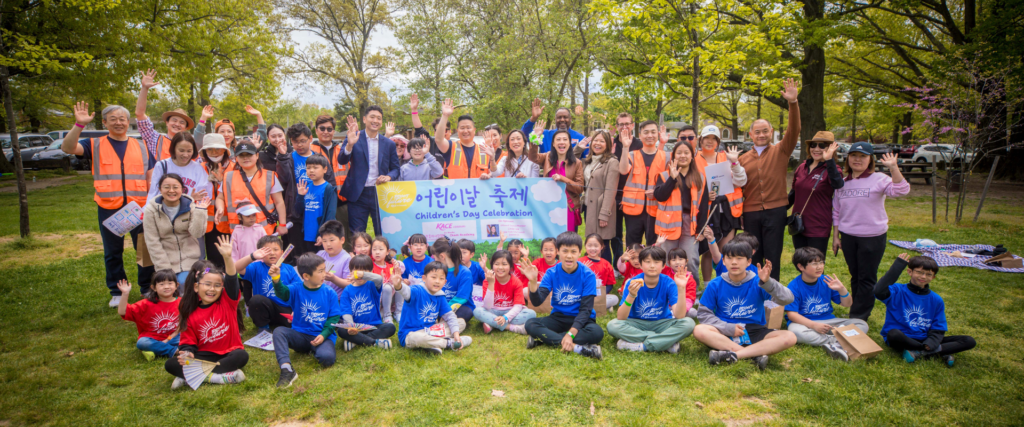
Upon Korea’s liberation, Children’s Day would be reinstated. Children’s Day was soon moved to May 5th to avoid conflict with the preexisting Labor Day on May 1st. After being publicly recognized in 1961 and declared a national holiday in the 1970s, Children’s Day has been celebrated annually since.